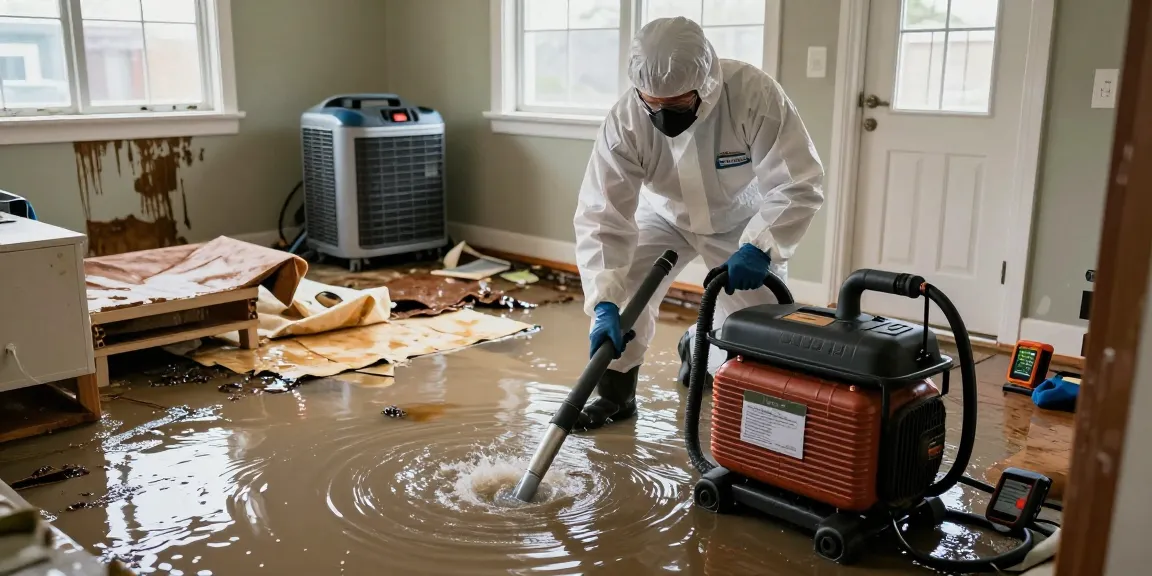
Understanding Water Damage Restoration Vancouver
Water damage is a critical issue that can significantly impact the structural integrity and value of properties in Vancouver. From heavy rainfalls to aging plumbing systems, residents face a variety of risks for water intrusion. Addressing water damage promptly is essential not only for restoring the property but also for ensuring the safety and health of its occupants. For those seeking expert help, Water Damage Restoration Vancouver services are readily available, providing comprehensive support in emergencies.
What is Water Damage Restoration?
Water damage restoration refers to the process of cleaning, drying, and repairing properties that have sustained damage due to water intrusion. This can include damage from floods, leaks, sewage backflows, and other sources of moisture. The goal is to restore the property to its pre-damaged condition while ensuring that the environment is safe for occupants. Professionals in this field utilize specialized techniques and equipment to mitigate damage, prevent mold growth, and ensure thorough restoration.
Urgency of Addressing Water Damage
Time is of the essence when dealing with water damage. Even minor leaks can lead to significant issues if not addressed quickly. The longer water remains in contact with materials like wood, drywall, and insulation, the greater the risk of mold growth, structural weakening, and costly damage. In Vancouver, where moisture levels are often high due to the coastal climate, prompt action is necessary to mitigate long-term consequences.
Common Causes of Water Damage in Vancouver
- Heavy Rainfall: Vancouver experiences heavy rainfall, especially during fall and winter, which can overwhelm drainage systems and lead to flooding.
- Broken Pipes: Aging plumbing systems are prone to leaks and bursts, causing sudden and severe water damage.
- Basement Flooding: Properties with basements are particularly vulnerable to water intrusion due to groundwater pressure and inadequate drainage.
- Roof Leaks: Imperfections in roofs, often exacerbated by heavy rain or snow accumulation, can lead to leaks that damage ceilings and walls.
- Appliance Malfunctions: Washing machines, dishwashers, and water heaters can fail, leading to unexpected flooding.
The Water Damage Restoration Process
Understanding the water damage restoration process can help homeowners feel more prepared in case of an emergency. This multifaceted approach is designed to assist in every step, from initial assessment to final repairs.
Step-by-Step Restoration Techniques
The restoration process typically begins with a thorough assessment of the damage. Professionals will evaluate the extent of the water intrusion, identify potential hazards, and determine which materials can be salvaged. The next steps generally include:
- Water Extraction: Using industrial-grade pumps, technicians remove standing water to minimize further damage.
- Drying and Dehumidification: Specialized drying equipment is installed to eliminate hidden moisture from walls, floors, and furnishings.
- Cleaning and Sanitation: All affected areas are cleaned and sanitized to prevent the growth of harmful bacteria and mold.
- Repairs and Reconstruction: Damaged materials that cannot be restored are removed and replaced, and necessary repairs are completed to restore the property to its original condition.
Types of Equipment Used in Restoration
To effectively manage water damage restoration, professionals use a variety of specialized equipment:
- Water Extraction Pumps: These powerful pumps quickly remove large volumes of water.
- Industrial Dehumidifiers: Essential for reducing humidity levels and promoting fast drying of materials.
- Air Movers: High-speed fans that facilitate air circulation and expedite the drying process.
- Moisture Meters: Tools that help assess moisture content in walls and floors to ensure thorough drying.
- Thermal Imaging Cameras: Non-invasive devices used to detect hidden moisture that may not be visible to the naked eye.
Health and Safety Considerations
Water damage can pose various health risks, particularly if the water is contaminated (e.g., sewage backup). Professional restoration teams are trained to handle such situations safely. They use protective gear and follow stringent sanitation procedures to ensure that the property is cleaned properly and free of harmful microorganisms.
Preventative Measures for Water Damage
Preventing water damage is the best strategy for homeowners. Regular maintenance and vigilance can significantly reduce the risk of costly incidents.
Identifying Early Signs of Water Damage
Early detection of water damage can save homeowners from extensive repairs. Signs to watch for include:
- Water stains on ceilings or walls
- Peeling paint or wallpaper
- Damp or musty odors
- Visible mold growth
- Soft or warped flooring
Regular Maintenance Tips for Homeowners
Homeowners should consider the following maintenance tips to prevent water damage:
- Regularly inspect roofs for missing shingles and leaks.
- Clean gutters and downspouts to ensure proper drainage.
- Monitor plumbing fixtures and appliances for leaks.
- Maintain landscaping to divert water away from the property.
- Install sump pumps in basements to manage groundwater.
Improving Building Resilience Against Water Damage
Investing in building materials and design features that enhance resilience against water damage can be a smart move for homeowners. Consider applying waterproofing membranes, installing proper drainage systems, and using water-resistant materials in vulnerable areas.
Choosing the Right Water Damage Restoration Service
When faced with water damage, selecting the right restoration service is crucial. Given the urgency and potential for serious damage, homeowners should be informed and strategic in their choices.
Key Qualities of a Professional Restoration Company
Look for the following qualities when selecting a restoration service:
- Certifications: Ensure the company has IICRC certification, which indicates proper training in water damage restoration.
- Experience: Choose a company with a proven track record in handling various types of water damage.
- 24/7 Availability: Emergencies can happen at any time, so a company that offers round-the-clock service is essential.
- Insurance Assistance: A good restoration company helps with insurance claims and documentation.
Understanding Pricing and Insurance Claims
Water damage restoration costs can vary widely based on the extent of damage and the necessary repairs. Transparent pricing is key; avoid companies that provide vague estimates. Additionally, many reputable companies assist in navigating insurance claims, ensuring that homeowners understand their coverage and deductibles.
Importance of Certifications and Training
Certification from recognized organizations like the IICRC assures quality and professionalism. Technicians undergo extensive training in the latest restoration techniques, which is critical for effective management of water damage scenarios.
FAQs about Water Damage Restoration
How quickly should water damage be addressed?
Water damage should be addressed within 24 to 48 hours to prevent mold growth and further structural damage. Immediate action is crucial for effective restoration.
Can water-damaged materials be restored?
Many materials can be restored if addressed promptly. However, severely damaged materials may need replacement. Professionals assess each situation to determine the best course of action.
What to avoid after water damage?
After experiencing water damage, avoid:
- Entering the affected area without proper protective gear.
- Using electrical appliances that may have been affected by water.
- Attempting to dry out water-damaged areas without professional help.
- Ignoring signs of mold growth.
Do I need a professional for minor water damage?
While some minor issues might be manageable, hiring a professional is advisable to ensure thorough assessment and prevent future problems.
What are the long-term impacts of water damage?
Long-term impacts can include structural weaknesses, mold growth, damage to personal belongings, and health risks for residents. Prompt restoration minimizes these risks.